Saturday, 14 March 2015

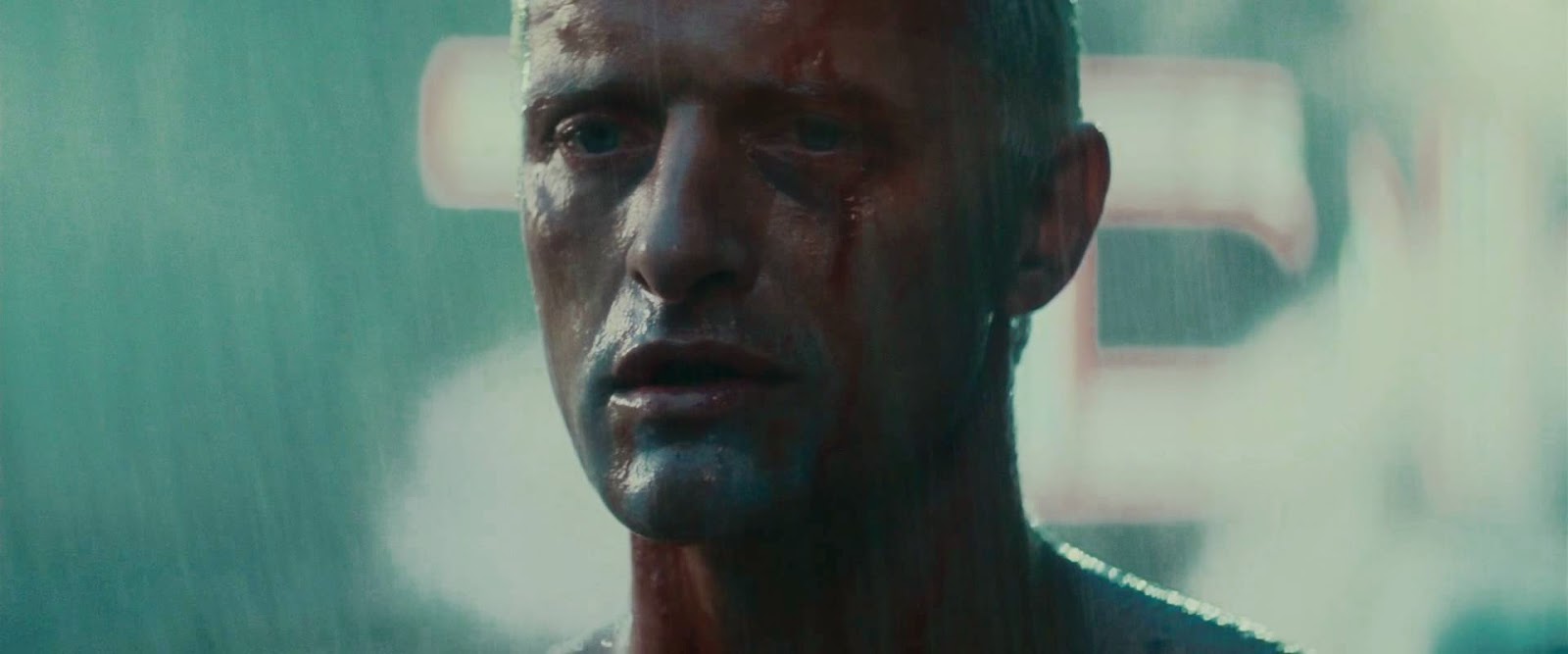
10 More Movie Quotes That Are Applicable to Your Life as a Writer

We've talked about a great deal over the last 6 months. Plot Twists, Inspirational Quotes, Award Ceremonies, LSF, Writing Partner Assassination, Imaginary "Friends", Midichlorians... But, as a sneak peek behind the scenes of Anti-Scriptwriting, by far my most popular post is the "10 Movie Quotes That Are Strangely Applicable to Your Life as a Writer". And so, as all great writers do, I'm selling out and doing the sequel. My reasons are more leaning towards nostalgia than anything, but that's because I'm going on a hiatus for a while, due to numerous project deadlines and the ongoing hunt for paid employment, so I thought, "Why not go out with a BANG?"

1) Star Wars Episode V: The Empire Strikes Back


"Sir, the possibility of successfully navigating an asteroid field is approximately 3,720 to 1."
"Never tell me the odds."

It's important not to let your chances of success or failure overwhelm you as a writer. Getting a career off the ground is a roll of the dice, but the only way you're going to keep rolling is if you ignore the harsh realities of your chosen occupation and just enjoy the ride. In fact, C3PO's random statistic has been disproven anyway, meaning that the odds are really yours to control.

2) The Big Lebowski


"That rug really tied the room together."

It's quite easy to get hung up on one largely meaningless item in your script because of sentiment. Maybe a friend has told you to get rid of it because it just isn't working. Maybe a script editor red-penned that thing into oblivion. Maybe you're at your movie's premiere and you realise that the director has got rid of your protagonist. I'd mention THAT song from Frozen here, but that'd mean I'd be doing 11 Movie Quotes...

3) One Flew Over the Cuckoo's Nest


"What do you think you are, for Christ's sake, crazy or somethin'? Well, you're not! You're not! You're no crazier than the average asshole walkin' around on the streets and that's it."

People give writers a bad rep for being weird, reclusive introverts, which, for the most part, is untrue. The funny thing is, a lot of society's preconceptions are based on what they've seen in movies and on TV - something that the writer has created. Writers write about the weird and wonderful people in the world around them, because everyone is crazy.

4) Trainspotting


"Living like this is a full time business"

There's no off-switch for a writer. It's not a 9-5 stint and then chill in front of the telly for the rest of the night. Ideas don't care about working hours. If you're even a half decent writer, you'll know what I'm talking about. Walking to the shops, brushing your teeth, listening to the news - they're all really just excuses for your head to have the time to cook up your next big story. Also, don't do drugs.

5) The Incredibles


"No matter how many times you save the world, it always manages to get back in jeopardy again. Sometimes I just want it to stay saved! You know, for a little bit? I feel like the maid; I just cleaned up this mess! Can we keep it clean for... ten minutes!"

Much like above, a writer's work never stops, even when you have only just finished a project. Chances are you're working on several things at once anyway. There's never much time for a holiday or even a cool down period in between stories. But I wouldn't know what to do if I just stopped one day, and I'm sure you probably wouldn't either.

6) There Will Be Blood


"I have a competition in me. I want no one else to succeed."

Perhaps we don't reach Daniel Plainview's level of contempt in our world of work, but, as I've spoken about before, being a competitive writer has its pros and cons. A competitive streak can be an excellent motivator, and, whatever your feelings are about the thousands of other writers out there, at some point, you've got to have the self belief to brush aside their needs for your own.

7) The Social Network


"You know, you really don't need a forensics team to get to the bottom of this. If you guys were the inventors of Facebook, you'd have invented Facebook."

Intellectual property is always a touchy subject with writers. We all know that there are no truly original stories, and much of our job is to try and repurpose and reinvent the wheel, or at least the way that the wheel is executed. Bottom line is that if you've come up with something "new", don't let others take that away from you, even if someone does your thing before you slightly differently.

8) Birdman: or (The Unexpected Virtue of Ignorance)


"Listen to me. I'm trying to do something important."
"This is not important."
"It's important to me!"

Knowing why you're doing something is crucial in writing. More often than not, though, writers can forget who they're writing for. Most of the time, it'll be for themselves, even if they don't realise it. I'm not saying that you should be considering the commercial value of everything you do, but, at the end of the day, what good is a film going to be if no one is going to see it?

9) Airplane!


"I just wanted to tell you both good luck. We're all counting on you."

Sometimes you just need to be repeatedly reminded that you have people who love and support what you're doing. Being a writer can be an isolated experience, and if your friends and family have the belief to get through your hard times, you owe it to them to do your absolute best. Also, I just wanted to tell you both good luck. We're all counting on you.

10) Interstellar


"We've always defined ourselves by the ability to overcome the impossible. And we count these moments. These moments where we dare to aim higher, to break barriers, to reach for the stars, to make the unknown known. We count these moments as our proudest achievements. But we lost all that. Our perhaps we've just forgotten that we are still pioneers."

Kind of says it all really.


James Cottle, after studying Scriptwriting for 4 years, is now an embittered real life freelance writer, and seeks to unlearn everything he knows. But he needs your help... Follow him on Twitter @Jxmxsc and share this blog to help spread his anarchic plight for reform amongst the writing masses.

Wednesday, 11 March 2015

The Stupendous Automatic Movie Logline Generator!

Coming up with new ideas is like trying to push an elephant into a doctor's waiting room - it's not going to be as effective if you try and force it. You've got to let the elephant appear there when the situation demands it. And that terrible analogy is exactly the kind of brilliant result you can expect from this, my latest invention - the Stupendous Automatic Movie Logline Generator! Sometimes you've just got to throw the alphabet at the wall and see what sticks. So grab a pen and paper, or prepare to memorise if you're that badass, and marvel as a new film idea forms in front of your very eyes!


1) Choose the First Letter of Your Mother's Maiden Name

A = An Adventurous
B = A Boisterous                              
C = A Cantankerous
D = A Danger-Loving
E = An Eccentric                                               
F = A Foolhardy
G = A Grieving                                  
H = A Humungous                           
I = An Idiosyncratic
J = A Jealous                                      
K = A Killer                                          
L = A Lackadaisical
M = A Macho                                    
N = A Nervous                                  
O = An Obscene
P = A Pragmatic                                
Q = A Quirky                                      
R = A Religious
S = A Sadistic                                     
T = A Tenacious                                
U = An Unappeasable
V = A Voluptuous                            
W = A Watchful                                
X = A Xanthic
Y = A Young                                       
Z = A Zesty

2) Choose the Last Letter of Your Father's First Name

A = Anaesthetist                             
B = Billionaire                                    
C = Caveman
D = Dietician                                      
E = Economist                                   
F = Fighter
G = Gardener                                   
H = Hawk                                            
I = Inspector
J = Janitor                                           
K = Kleptomaniac                            
L = Lawyer
M = Mother                                      
N = Nurse                                           
O = Ostrich
P = Postal Worker                           
Q = Queen                                         
R = Radiologist
S = Swimmer                                     
T = Teacher                                        
U = Underling
V = Violinist                                       
W = Watch-Maker                          
X = X-Ray Inspector
Y = Yak                                                 
Z = Zookeeper

3) Choose the Third Letter of Your Own Name

A = Attacks                                        
B =  Buries                                          
C =  Chases
D = Discovers                                    
E = Eats                                                
F = Faces
G = Guards                                        
H = Hijacks                                         
I = Interrupts
J = Joins                                                               
K = Kills                                                
L = Launches
M = Marries                                      
N = Needs                                          
O = Offends
P = Punishes                                     
Q = Questions                                  
R = Rebuilds
S = Spoils                                            
T = Transports                                  
U = Underestimates
V = Violates                                       
W = Wrecks                                       
X = X-Rays
Y = Yearns For                                   
Z = Zigzags

4) Choose the First Letter of Your Hometown's Name

A = An Amulet                                  
B = A Boar                                          
C = A Coke Can
D = A Demon                                    
E = An Elephant                                               
F = A Family
G = A Goat                                         
H = A Housemate                            
I = An Iguana
J = A Jury                                            
K = A King                                           
L = A Lamborghini
M = A Martyr                                    
N = A Nightmare                             
O = An Optician
P = A Policewoman                        
Q = A Quizmaster                            
R = A Rhinoceros
S = A Sailboat                                    
T = A Tarantula                                 
U = An Untold Evil
V = A Valet Driver                           
W = A Wolf                                        
X = A Xerox Machine
Y = A Yogurt                                    
Z = A Zeppelin

5) Choose the Third Letter of Your Favourite Food

A = In An Ambulance                     
B = In A Beach Hut                          
C = In A Caravan
D = In A Dungeon                            
E = In Ecuador                                   
F = In A Funeral Parlour
G = In A Garage                                               
H = In A Hospital                              
I = In An Igloo
J = In Jamaica                                    
K = In A Kid's Play Area                 
L = In A Lion's Den
M = In A Museum                           
N = In A Nordic Castle                   
O = In Ohio
P = In Purgatory                                               
Q = In Quebec                                  
R = In A Rut
S = In Space                                       
T = In A Tent                                      
U = In An Underworld
V = In A Vending Machine           
W = In A Whale's Belly                  
X = In A Xylophone Factory
Y = In Yemen                                     
Z = In A Zoo

6) Choose the Last Letter of Your Favourite TV Show

A = But Angers                                 
B = But Becomes                             
C = But Creates
D = But Destroys                             
E = But Entices                                  
F = But Finds
G = But Galvanises                         
H = But Harnesses                          
I = But Inspires
J = But Jeopardises                         
K = But Knocks Out                         
L = But Loves
M = But Misses                                
N = But Neglects                             
O = But Offends
P = But Paralyses                             
Q = But Quarrels With                   
R = But Reanimates
S = But Scares                                   
T = But Tackles                                 
U = But Underestimates
V = But Victimises                           
W = But Worries                              
X = But X-Rays
Y = But Yearns For                           
Z = But Zeroes In On

7) Choose the First Letter of Your Favourite Place on Earth

A = An Aging                                     
B = A Big                                              
C = A Careless
D = A Devious                                   
E = An Ethereal                                
F = A Fearless
G = A Gentle                                     
H = A Hardworking                         
I = An Idiotic
J = A Judgmental                          
K = A Kindly                                       
L = A Lovable
M = A Majestic                                 
N = A Neurotic                                 
O = An Obnoxious
P = A Prissy                                        
Q = A Quirky                                      
R = A Raging
S = A Sentimental                           
T = A Tantalising                               
U = An Undeserving
V = A Violent                                     
W = A Well Known                          
X = A Xyloid
Y = A Yankee                                     
Z = A Zany

8) Choose the Last Letter of Your Favourite Musician / Band

A = Antelope                                    
B = Bouncer                                       
C = Cat
D = Dentist                                         
E = Egg Farmer                                 
F = Fashionista
G = Governor                                   
H = Helicopter Pilot                        
I = IT Guy
J = Jockey                                           
K = Kangaroo                                    
L = Lamb
M = Model                                         
N = Norse God                                 
O = Owl
P = Pet Detective                            
Q = Queen                                         
R = Referee
S = Scientist                                       
T = Taxidermist                                
U = Urchin
V = Vampire                                      
W = Watermelon                            
X = X Chromosome
Y = Yodeller                                       
Z = Zombie

You're welcome.

James Cottle, after studying Scriptwriting for 4 years, is now an embittered real life freelance writer, and seeks to unlearn everything he knows. But he needs your help... Follow him on Twitter @Jxmxsc and share this blog to help spread his anarchic plight for reform amongst the writing masses.


Wednesday, 4 March 2015

10 Quick Tips on How to Make Your Antagonist Incredible

A story is only as good as what it's fighting against. With TV and modern cinema becoming increasingly versed in developing compelling protagonists that aren't the most boring of the lot, the stakes have never been higher for creating even better antagonists. As writers, our job is to drive through the toll-gate of typical villainy and reimburse the cashier of gripping drama, no matter what the story may be. Here's a couple of quick tips that I've used in the past that I believe can work wonders in adding that extra dimension to your Big Bad.

1) Nail Down Their "Believability"


Depending on your project, you're going to have to make some choices pretty early on as to how you're going to make your villain "real" in your story world. On one end of the scale, you have your typical comic book super-villains, with a little leeway to adapt their portrayal tonally - for example, Cesar Romero's Joker vs Heath Ledger's. On the other hand, your drama may call for a more complex, morally grey character, who is just as "real" as your protagonist, if not moreso. No matter how grounded or heightened they get, keep them believable in your narrative.

2) Write Their Story First


Many writers like to start off a new script or project with some sort of outline or plan as to what exactly is going to go down in their story. Most of the time, it's move protagonist from point A to B to C, charting their change along the way. Scrap that idea right away, and reverse your perspective of the story. People always say you have to know your story backwards, and mapping out the reasons, events and significant characters within the antagonist's story is only going to help make them more believable and identifiable.

3) Give Them More Empathy


Yeah, this one is kinda of a no-brainer, but it's often overlooked. I like to think of an old weighing scale that holds the antagonist on one side and the protagonist on the other. The secret to the best conflict is to keep them perfectly balanced, by making us side with the hero due to their positive actions, but still maintaining enough empathy for the villain that they seem equal. I should also note, there is a difference between empathy and pity. Make your villain tragic without venturing into melodrama, and audiences should be able to relate.

4) Add A Lesser Antagonist We're Allowed to Hate


There's nothing better to offset hatred than more hatred in stories. Say what you will about modern society, but the smug jerkass always has a place. Have the audience subconsciously pour all of their disliking onto a single, carefully placed target, and they'll be putty in your hands when the real villain swoops in. You could even go a step further and have the villain dispatch or get rid of the jerk themselves. By this point, you'll have your viewers fist pumping in the cinema and their sofas.

5) Twist Their Noble Goal


What does your villain's ultimate goal stem from? More heightened characters often use the old "trying to make the world a better place" shtick, which does have its merits. Maybe your character is simply all about doing right by their love ones. Give them a goal that is more noble than your protagonist's and suddenly there's conflict. The way that they become the apparent antagonist is in their execution of this noble goal, often being blind to the actual cost of their actions - it's your hero's job to make them see that before it's too late.

6) Find Their "Scene Stealing" Voice


The manner in which your villain expresses themselves is everything when it comes to how seriously we take them. It's a tough task to avoid the "James Bond" clichés and the needless pomposity when your antagonist is supposed to be superior on the surface, but it is possible. There's also a real temptation for lengthy monologues - DON'T. Your character is much more threatening when they say very little and let their actions speak for them. A distinctive verbal tick or a specific turn of phrase can help distinguish what little dialogue there needs to be.

7) Build Up Their Antagonism Slowly


There's nothing more heartbreaking than seeing a character we thought was good or at least virtuous turning out to be the villain. Small moments of conflict at the beginning of your tale can be an indicator of what's to come, without jumping straight into the big stuff you'll be saving for your story climax. Best of friends can become worst of enemies, but you don't have to go that route. In fact, knowing the villain from the start but not having the hero meet them until about half way though can also be very effective, creating anticipation for the big showdown (which your hero should lose by the way).

8) Give Them A Unique Scene With The Protagonist


Not every scene needs to have large scale conflict - the most memorable can be moments of calm between your two duelling leads. For example, arguable the best scene in Heat is when Al Pacino's Lieutenant Hanna meets Robert De Niro's bank robber Neil McCauley in a diner. They discuss everything that's come before, and everything that's going to come after, knowing the next time they meet, only one of them is going to make it out. It's powerful, distinctive and continues to fuel that all-important conflict in a more meaningful way.

9) Make Their Defeat As Tragic As Their Backstory


So your hero wins - that's a fairly expected outcome, though not set in stone. But you can't just have the villain knocked out by a single punch.  They've been defeated because they have not changed, and their singular focus on their goal has ultimately been their undoing. If the antagonist seeks ultimate power, have them not be worthy to control it. If they want justice, have them be on the receiving end. In some cases, you may even want the villain to see what they've done far too late, perhaps prompting some sort of sacrifice on their part. Make us sad that someone had to lose.

10) Have Them Change Every Other Character


For better or worse, all of your characters are going to respond to the central conflict in some way. The true colours of your supporting cast should be revealed as slowly as you build up the antagonist. Some may live, some may die. Some may gain everything, some may lose it all.  Your antagonist doesn't just have to be your protagonist's enemy. Ultimately, the villain sets the story in motion, making them arguably more important than your hero. Make a list of every character in your story, and, one by one, sort out how they'll be affected by your antagonist. Then, you're on to a classic.

James Cottle, after studying Scriptwriting for 4 years, is now an embittered real life freelance writer, and seeks to unlearn everything he knows. But he needs your help... Follow him on Twitter @Jxmxsc and share this blog to help spread his anarchic plight for reform amongst the writing masses.


Saturday, 28 February 2015

5 Video Games With Better Stories Than Most Hollywood Blockbusters

Remember Pong? Whilst the joys of simple, arcade fun still find popularity in the indie market, these days the gaming industry leans more on the conventions of Hollywood than ever in peddling its top sellers. There's a neat balance between the experimental narratives of indie games, with Steam, PSN and Xbox Live providing a platform for new content, and the big budget "Triple A" games that use story as much or as little as it needs. But let's not underestimate the actual stories in these big mainstream titles. Here's a few examples from the last few years that prove that video game storytelling can even more compelling than most summertime flicks.

1) Portal and Portal 2


Video games have always been a little bit silly, mostly due to the typical audiences that were drawn to gaming in the late 80s / early 90s. Few people, though, expected Valve, creators of the seminal Sci Fi series, Half Life, to actually make a game that was every bit as funny as any comedy you'd see in the cinema. Portal casts you as Chell, a woman awakened in a testing facility named "Aperture Science", under the watchful eye of the passive aggressive AI, GlaDOS. Here she is forced through a series of tests with an experimental portal gun, allowing her to manipulate space to solve increasingly difficult puzzles.

What makes this game so witty and charming is the quality of the characterisation. There are no cut-scenes or quick-time events - just a clearly homicidal computer program thinly veiling her contempt for you around every turn. The sequel cranks everything up to eleven, delving deeper into the rich history of Aperture Science, and bringing in new characters, like Cave Johnson, Aperture's founder voiced by recent Oscar Winner J. K. Simmons, and the adorable Personality Sphere, Wheatley, brilliantly played by Stephen Merchant. Add in a few killer twists and turns, and the Portal saga defines itself as one of the funniest, cleverest Sci Fi comedies of all time.

2) Bioshock Infinite


When 2K Boston released Bioshock in 2007, it redefined how stories were told in video games, implementing a dynamic choice system based on skewed morality, and with a narrative deeply entrenched in exploring the ideas of Objectivism put forward in Ayn Rand's Atlas Shrugged. The underwater city of Rapture is, to date, one of the most brilliantly defined fantasy settings in modern history. Whilst Bioshock 2 furthered the tale of Rapture's downfall, the "spiritual sequel", Bioshock Infinite turned everything on its head, introducing audiences to floating city of Columbia - another fantasy world that really could only exist in the limitless imagination of video games.

Upon arrival, Columbia feels like Main Street USA in Disney World, perfectly encapsulating the American Dream. Of course, Columbia's true nature becomes revealed pretty quickly, with the story tackling issues of racial segregation, American Exceptionalism, blind religion and even the dangers of quantum mechanics. The story follows Booker Dewitt, a former Pinkerton tasked with rescuing a girl, Elizabeth, from Columbia to wipe away his gambling debts, but, upon meeting her, realises he's got a lot more than he bargained for, as his own dark past starts to catch up with him. While Infinite may have been more linear and contained less scope for player choices than its predecessor, the actual story is pitch perfect, and truly unlike anything else out there.

3) The Walking Dead (Telltale Seasons 1 and 2)


It may not have started out as a "Triple A" title, but Telltale's The Walking Dead gained enough notoriety to earn itself countless "Game of the Year" Awards and a huge following. For many, this series stands above the graphic novels and television show that came before it, and a great deal of that is on account of the way it reinvented storytelling in adventure games. But to say that the story's strength comes from the immersion factor of games is selling the narrative short - the characters are complex, the story is well paced and there are moments are just downright heartbreaking.

Split into 5 episodes per season, The Walking Dead plays out like a really good TV show, with each episode offering a new experience, all tying into the grander narrative. You play as Lee Everett, a man on his way to prison as the outbreak of "walkers" hits, and soon finds himself caring for a little girl named Clementine in this harsh world. This central relationship is beautifully executed, and, thanks to the unique choice system and dialogue options, feels immensely personal. The supporting characters all have strong emotional ties to Lee as well, so when the game literally makes you choose who might live or die in pressure situations, your actions have very real consequences. The Walking Dead understands the strength in having your choices affect the characters around you, moreso than the actual plot itself.

4) inFamous


It's no secret that superhero films dominate Hollywood. Last year, the top 15 Highest Grossing Movies were all sequels, remakes or adaptations (with Interstellar being the first unique property at number 16) and almost a third of those were superhero movies. So while Marvel and DC (mostly Marvel) churn out new filmic versions of their expansive catalogue in Hollywood, the story is quite different in mainstream video gaming. The first inFamous game, released in 2009, was essentially an origin story for an entirely new (*gasp*) hero, or, if you wanted to play Cole McGrath that way, villain.

To say that inFamous is only on this list to make a point about original storytelling is a fair claim to make, but the story is surprisingly well handled. The story literally begins with a bang, as Cole, a simple bike messenger sent to deliver a package is at the epicentre of a massive explosion, which is revealed to awaken dormant electric-based powers within him. Cole and his conspiracy-obsessed buddy, Zeke, try to get to the bottom of who was behind the blast, all while Cole becomes more and more powerful. The choices as to whether you want to be good or evil are, for the most part, black and white, but the mythology and story world, tied with the fact that we don't have any prior knowledge of the characters, make for a genuinely captivating origin story.

5) Red Dead Redemption


There was a time when Westerns were one of the most popular genres in cinema. Red Dead Redemption is a love letter to all the different phases that Westerns have gone through, all while telling a story of honour, determination, and (possibly) redemption. John Marston doesn't profess to being a good man. He ran with a crew of outlaws growing up, and has struggled with breaking free to start a family ever since. When some government agents tear him away from his wife and son to track down a man from his old crew, John is torn between the life he once had and the life he wants. Set against the (largely fictitious) expansive Old West landscape, Red Dead Redemption explores morality and human values moreso than any other Rockstar Game - maybe any game, full stop.

As with most open world games, and most of the other titles on this list, you can choose to play as John however you please. The cut-scenes and dialogue sequences are all skilfully written in a way that don't paint John as good or bad, but just as a man trying to make his way in the world and get back to his family, no matter what. The ensemble surrounding John are all rich, distinctive and fun, without venturing into parody territory. And then there are the moments of just pure gaming beauty, such as José Gonzalez's "Far Away" playing as John rides into Mexico for the first time. Red Dead Redemption, for me, is a masterclass in video game storytelling. Please Hollywood - do NOT make a film of it.

James Cottle, after studying Scriptwriting for 4 years, is now an embittered real life freelance writer, and seeks to unlearn everything he knows. But he needs your help... Follow him on Twitter @Jxmxsc and share this blog to help spread his anarchic plight for reform amongst the writing masses.


Wednesday, 25 February 2015

5 Reasons Why Caring About The Oscars is a Paradox

I'd love to win an Oscar. Not for the glory, or the chance to slap the audience with some truth bombs in my 27 minute, completely improvised acceptance speech. To know that the best of the business have come together and collectively agreed that you're the best at something this year must be accompanied by an immeasurable level of pleasure and self-confidence. But there's a weird psychology behind why we, the outside audience, care so much about the event, even when there's new reasons every year to turn our backs on the whole darn thing.

1) The Omissions


There's a lot of films released every year, and the fact that there's always too many to make the nominations arguably speaks to the high standard of quality across the current industry. But, every once in a while (i.e. pretty much yearly actually), there's an omission (or five) that causes the entire populace to raise their hands in shock and anger. It's pretty astonishing that an industry judged mostly subjectively can cause the public to develop some sort of freaky hive mind, as if we all had the exact same idea before the announcements as to what should and shouldn't have been nominated.

So if we're all up in arms outside the gates of the Oscar's HQ, then why don't the judges share our preconceptions? Sometimes they just straight up forget (being predominantly white men over 60), such as Joan Rivers not being memorialised. Other times, the whole "being predominantly white men over 60" thing means that their demographic affects their subjectivity, hence David Oyelowo's lack of Best Actor Nod for Selma in favour of a man who played a gun-toting "war hero" arguably less believably than his stint as a talking racoon. This year's biggest omission was The Lego Movie, a film literally loved by millions, which is damn near inexcusable. And yet, we continue to follow the Oscars...

2) The Cringey Self Parodying


The Oscars have been going for a long damn time. It's not exactly a formula you can shake up too much either. So despite numerous cries for increased diversity, equality and consistency amongst the nominations each year, we accept that the event itself is largely going to remain the same. There's the usual jokes about people in the room, one of the prize giving guests will upstage the actual recipient, and, all in all, there'll be a lot of clapping and (pretending to be) smiling. The speech writers know this, and repeatedly go to the same few mines for jokes in the hopes of striking gold where they've already seen that there isn't any.

But then that's all part of it now. The back-slappy, self congratulatory nature of the whole affair means that they almost have to lampshade every trope and cliché of the event, for fear of not coming across as humble. As a by-product, it can then seem that the hosts and award giving guests don't actually care all that much, as if even the Oscars are beneath them. I've nothing against Neil Patrick Harris, and I believe he did a good job, which is why the occasional struggle to draw comedy out of relatively lacklustre, been-there-done-that material almost makes the whole event feel tragic by extension. But still, we continue to watch the Oscars...

3) The Moments That Go Viral


This year's Oscars can be summarised by three key moments - Patricia Arquette's equal rights for women speech, Birdman winning big (and Michael Keaton heart-breakingly not), and John Travolta making up for last year's blunder by being even weirder. None of them quite reached the heights of last year's selfie (revealed to be a publicity stunt by Samsung), but all of which have achieved varying degrees of virality over the last few days. When we think about the Oscar's ceremony, quite often our minds go to these moments, because they almost justify the reason the whole thing is televised in the first place.

Without these moments, in fact, the Oscars would just be people reading from lists for several hours. This leads to interesting line of thought - What if Patricia Arquette gave her impassioned speech about the industry's fundamental imbalance on, say, The Graham Norton Show? It would probably still have gone viral, due to the nature of the message, so would it really be getting less of an audience, simply because it isn't a globally televised event? Is the best place to rage against the Oscars... the Oscars? The event is reported to make the majority of its money from the TV and online broadcast, but does it even need that amount of money to exist? Still, the thought that next year will be different is why we keep watching...

4) The "Best Picture" Debate


To say the entire system is fundamentally broken simply because Boyhood didn't win "Best Picture" this year is, in my opinion, a slight overstatement. I'll come out and admit, I haven't seen it yet, so, by all means, take my points with a pinch of salt, because lord knows there's plenty of salt to go around. It's a peculiar, almost religious, expectation that whatever the Oscars labels as "Best Picture" is undeniably the "Best Picture". What gives these white men over 60 more of a right than any of us? Sure, it's a voting system, but why do their votes count more than ours? This is where the whole thing starts to crumble.

When Boyhood won most of the top BAFTAs, no-one was particularly argumentative on Birdman's behalf. I personally love Birdman, and scathing criticisms flung at it simply because it won out in a private vote are perhaps just bitter backlashes. I've seen Birdman multiple times now (which doesn't excuse my lack of seeing Boyhood, granted), and it has so much to offer beyond the surface level achievements in cinematography. I could go on and defend its win, but really at this stage, I don't need to. The Oscars have spoken. We're not all going to agree, and we're certainly not going to change their minds, which goes back to my point about the omissions - why put ourselves through the stress of argument and disagreement by continuing to pay attention to the Oscars?

5) In Spite Of All This, We Need Them


One day, a guy called Oscar was watching films. He thought, "Hmm, once these films are out there amongst the public, I wonder what further reward the filmmakers get for their achievements, beyond that of box office numbers?" That, my friends, is the brief, relatively made-up, history of how the Oscars came into being. Whenever you create a piece of media, whether it be film, television, art, theatre, radio, podcast, etc., there's a niggling little part of you that needs it to be validated, as much as you might not want to admit it. There's only so many times your Gran can say your novel is good, before you go seeking another opinion.

So, beyond the realms of commercial success, as well as a few favourable reviews, what next? If your film has seeped into the public's consciousness, sparking relevant debates and creating worthwhile discussion, isn't your work done as a filmmaker / writer / actor, etc.? There's a lot of rubbish floating around there, so your work may just have to float around amongst that debris for a while, before performing reasonably well on DVD and Blu Ray. Unless there was some system of categorisation and ranking that would determine which films were truly top of the pile this year. Not only would it serve as a commercial boost, but it would also elevate your status as a filmmaker, paving the way for even greater projects down the line. THAT is why we need them, for all of their flaws. To allow the best to keep getting better.


James Cottle, after studying Scriptwriting for 4 years, is now an embittered real life freelance writer, and seeks to unlearn everything he knows. But he needs your help... Follow him on Twitter @Jxmxsc and share this blog to help spread his anarchic plight for reform amongst the writing masses.