Saturday, 10 October 2015

5 Things to Check Before Script Submission (aka. 5 Dumb Mistakes People Keep Making)

Sending off your script to an agent / producer / festival / competition / overly-complimentary friend is tinged with the same nervous blend of excitement and pride usually reserved for taking your kids to school for the first time. Of course, much like with the fate of your children, you would ultimately rather they didn't return to you covered in red pen and holding a note telling you why they are rubbish. This begs the question - why not take every step to ensure that your script is at least readable when you've already spent all this time and money on getting it out there? You'd probably be surprised to know the percentage of screenplays I've come across that have made these absolutely basic errors in both scriptwriting and judgement. Please, for everyone's sake, just check these 5 things before you inflict your story upon the world.

1) You Have A Title Page


"Hey, mate! I saw this amazing film in the cinema the other day! It was about this dude who was, like, trapped on Mars or whatever, and he was, like, the only one there, and he ends up, like, trying to live there while he waits to be rescued!"
"That sounds cool. What was it called?"
"Don't know."
"Oh. Ok. Wait, is that the one based on that book?"
"Didn't say."
"Hmm, well, who wrote the screenplay?"
"There was a screenplay?!"

See that? Absolute anarchy in conversation form. Obviously, we all know the film they were referring to was Macbeth, but you see my point? No Title Page = No Clue. And don't you try and defend this oversight by saying the PDF includes the title, because that entire argument falls apart if and when the script gets printed out and put in front of someone important (let alone the fact the PDF is usually adorned with draft numbers, dates and other indecipherable hieroglyphics). 99 times out of 100, your name slapped on the front of a screenplay will mean absolutely nothing to me - but that 1 time when I genuinely enjoy your script and want to pass your name on to high powers, you'd better pray that your moniker and contact details are all there for me to exploit.

2) You Have Actually Read It Out Loud
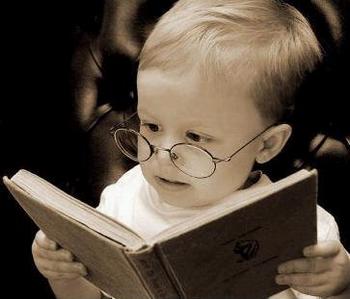

Look, I know that it's easy to feel self-conscious when you find yourself having to awkwardly read out the lines of "Princess Arabeth of Drukain" in front of the bathroom mirror, whilst desperately praying your roommates don't walk in and recommend you a good therapist for dealing with crippling loneliness. Reading your work out loud is not about performance, though - it's simply to determine whether each line of dialogue sounds natural, true to the character and, y'know, actually like it makes a shred of sense. Like with the title page, it seems like such a basic check that people seem to overlook because "hey, it's the script reader's problem now". This isn't just limited to the dialogue either, as some writers apparently feel the bizarre compulsion to write scene description like they're recapping the abbreviated highlights of the England game on BBC Sport.

If, somehow, you read your entire first draft out loud for the first time and you find absolutely nothing wrong with it, don't celebrate, because you haven't nailed it. You need to call in another pair of honest ears to listen to what you're saying and give you moment-to-moment feedback. Script readers are naturally constricted by having to give you general notes in the form of a report, and usually only have time to touch on a few specific examples to illustrate their points. Get someone else involved to give yourself an objective perspective before submission. Better yet, have them read some of the parts, or even all of it, as the points where they'll stumble will be a good indication of where you've dropped the ball and need to take another look.

3) You Have No Delusions of Grandeur


Newsflash: Writing a script doesn't entitle you to anything. You don't deserve praise or production. Readers have no inclination to try and like it. Your script is just another in a long line of scripts that are rolling those 2015-sided dice, desperately hoping to be given a chance. Now, let's take our feet off the "Angry Gas Pedal", and slowly apply pressure to the "Brakes of Optimistic Realism". Just because you don't deserve something, doesn't mean you can't earn it by writing a great story. And trust me - readers really want to like your script because, even though it might give us less to write in our reports, we naturally want to enjoy the experience as if it were an already finished movie. And rolling the dice, well... The odds are really down to you more than anyone else.

So how does this affect your script submission? Bottom line, you need to ensure the merit of this script speaks for itself. Don't try and grease the wheels with your covering letter or submission form. Don't assume production is an inevitability when you shoehorn in references to licensed music and where CGI will be needed. I've often come across sequels to the writer's previously unproduced work, which, whilst admirable in their level of commitment, usually leaves me at a complete loss as to how I can approach overall story feedback. I've also read scripts that, despite thankfully including a title page, felt the need to name drop the writer's previous competition successes. Telling me this script won a competition in the past at best merits a brief "ooo" of curiosity, before my expectations are raised to a point where you simply won't reach - don't toot your own horn, before I'm given the chance to toot it for you (which, I assure you, is not a sexual prize for winning my approval).

4) You Have A Basic Understanding of Logic


Getting increasingly broad here, as we move away from script specific errors (more on those in future weeks) into dissecting the persistent folly of the modern writer. I don't want to go too deep into the inherent nature of cause and effect, or how the universe dictates a natural order of events, but COME ON, PEOPLE. If a woman eats an apple, then the apple is not in ensuing the scenes (at least not visually). The amount of lapses in basic logic found in most speculative scripts actually becomes a bizarre mixture of exasperating and hilarious after a certain point. So much of the time, it's simply the case that there's no connecting action - e.g. a guy gets punched and falls to the floor, before jumping onto his attacker, which omits the crucial detail of him getting up off the floor. It sounds so minor but, in the long run, it really adds up to leave a sour taste.

If you discover yourself to be one of these logically-challenged individuals, or other people keep telling you that you are, follow this basic, step-by-step guide to ensure that every event in your screenplay is 100% valid to transpire. Step 1) Event takes place. Step 2) Immediate subsequent event takes place. Step 3) Repeat Step 2 as many times as required to progress the scene to its natural conclusion. Step 4) Complete scene. Step 5) Ensure none of the aforementioned events contradict or undermine any of its preceding events. Step 6) Congratulations, you've just written a logical scene. Welcome to this Universe. Look, at the end of the day, most, if not all, movies and TV shows have plot holes, but that absolutely doesn't give you the right to ignore yours. In fact, you need to try and be at least 10 steps ahead of your audience. Draw graphs, make timelines, hire a fact-checker - just please, for the love of all that is logical, do something.

5) That It's Actually A Script


Yep. This is the big one. I'm not really sure how much clearer public calls for Film or TV scripts need to be to actually make people get the picture. These are both visual mediums. That you means you need to be giving a viewer something to watch, even during long passages of conversation. Actions, reactions, background events, montages, metaphorical images, scenery, a Stan Lee cameo - there's always so much you can be doing to complement or contrast with your unfolding story. That's the big difference between someone who knows what a script is ("Oh, it's just where you tell all the characters what to say") and someone who actually understands how a script works ("Oh, it only dictates the content of the entire movie"). Even if you're submitting an early draft (for some reason beyond just disposable income from your presumably more successful job), the script needs to feel like the finished product.

"James!", I hear you exclaim into your computer / mobile screen, "what could you have possibly received to read that wasn't actually a script?". Well, my hypothetical friend, where do I begin? Just because it looks like a script, doesn't mean it is one. I've had writers basically send me "novels" in disguise, where the scene description implicitly details the backstories and inner thoughts of the characters, as if they would somehow be apparent to an audience watching (as well as almost every line of dialogue being preceded by needless parenthesis, like "(exclaiming)"?!). I've read a few movies that have pretended to be plays, focusing their energies on extended passages of rambling dialogue and only referring to "props" and "staging" in direction. I've even had scripts that are so caught up in dictating meaningless camera directions that it wasn't even clear what the camera was ever actually focusing on (were they meta-commentaries that I just didn't understand?!). I am literally on my knees at this point, begging you budding writers, please, PLEASE, check that your script is actually a script, because otherwise you're just wasting everyone's time.

James Cottle, a Scriptwriting Mega-Scholar™, is now a real world Freelance Writer, in between intense bouts of Script Reading. Follow him on Twitter @Jxmxsc, "like" the Anti-Scriptwriting page on Facebook, and share this blog if you want his opinions on your work to be completely unbiased.

Saturday, 3 October 2015

Where I've Been and What Happens Now...

My word, has it only been 203 days? Where has the time gone?

Where I've Been...


As with any good hiatus, cultivating a sense of mystery regarding my absence is just as important as actually telling you what I've been up to, besides, y'know, existing. In fact, to say that my disappearance triggered waves upon waves of fan theories and speculative emails would be a significant understatement. A false understatement... but an understatement, nevertheless. Had you going there, didn't I?

Right, enough twists worthy of a Sherlock finale - Here's the real deal. I have been stranded on an island. With little money to my name and only my wits to keep me alive, I have been able to build a simple, yet enjoyable, life for myself here on the remote isle of... Great Britain! YES, I got you again! Have some of that, you- wait, where are you going? Ok, I'll behave, sorry.

So, right off the bat, I've written a veritable vat-load of scripts in the last 6 months, and whilst I won't bore you with too many specific details, the short headlines include:

- A Sitcom Pilot (Longlisted by BBC Writersroom).
- 32 Radio Sketches.
- Spec Scripts for "It's Always Sunny in Philadelphia" and "Brooklyn Nine Nine".
- The Opening 10 Pages of a Sci Fi Feature.
- A Full Length Sci Fi Drama Pilot (for BBC Writersroom's latest submission window).
- Lots of little ideas in my "mind notebook".
- Numerous Outlines for my next BIG Feature Film Project.


Cue generic "writing" picture.

Now, before this gets all too self-congratulatory, let's all remember that quantity isn't always indicative of quality, and while this looks like a fair amount on paper, some of those projects have only been through a few drafts, and are still arguably a way off "completion". But that's the incurable itch of writers - we'll never fully be satisfied. So instead I'm giving myself a relatively hollow pat on the back for at least writing something during this blogular hiatus.


It hasn't all been scribbling notes and yelling at Celtx though - I've been doing some other real world stuff too, I swear! A podcast which I write for and host, "A Little Bit Racey", got nominated for a UK Podcasters Award for "Best Comedy" - a tremendously proud achievement of ours, which, in part, is thanks to our lovely audience. Aside from spending months drumming up the votes on social media, we put in an appearance at the event itself, and, despite ultimately not being the victors, our resolve to take the show to the next level has increased tenfold, culminating in the impending release of some Christmas Specials before the New Year comes a knockin' (check us out on social media, I'm becoming aware that this seems like a story for another time).

Which brings me to my DAY JOB ("Ahh-ahhh-ahhhhh"), for lack of a better term. Yes, the rumours I just invented are, in fact, true - I'm totally a part time script reader. I have become the "man" that this blog has repeatedly lampooned, parodied and completely misunderstood in the past. But hey, I'm going on record here and saying that script reading is a noble profession. Aside from the occasional bouts of rage and utter confusion, I'm able to pass on (hopefully) valuable feedback to writers who want and/or need it. From time to time, I'll even get the same script to read again, months later, and to see a marked improvement genuinely fills me with an inner warmth normally reserved for extreme dental surgery. So, let's talk about what this all means for this blog's rebirth...

What Happens Now


It occurs to me that, having read scripts crafted by writers from all different walks of life, that a large number of budding storytellers could do with some crucial "do's" and "don'ts" from the bloke on the other side of the world who makes a living out of judging them. Naturally, these guidelines will definitely need to be presented in a fun, not-at-all-ripped-from-Buzzfeed, format, and employ a fine blend of meaningless rambles, useless advice and embittered commentary. Truthfully, bringing this blog back with a more "script reader" focus is just as much for me as it is for any of you, but who knows? You just might learn something while you laugh at how delusional my new position of "power" has made me.

Make no mistake, this is still "Anti-Scriptwriting", not "Anti-Scriptreading", and over the coming months, I've got a lovely variety of topics and fun little articles for y'all to sink your eyes into. So stick around, friend - let's properly catch up, yeah?


Some housekeeping before I sign off today. The blog will now run ONCE a week, with new articles every Saturday (typically around midday). During the blog's previous run, I became increasingly anxious of plugging bi-weekly on Facebook and Twitter to all my friends / followers (that makes it sound like I have way more than I actually have), and I'm aware that sort of overbearing need for attention can become a little intoxicating. Therefore, over the next week, look out for dedicated "Anti-Scriptwriting" pages on both of those social platforms, and be sure to give them a "like" or "follow" if you're one of the awesome people who wants to keep posted!

Finally, at the end of the year, I'll be doing a Q+A blog, taking all of your questions regarding script writing, script reading or just script anything, and answering them in a way that only I can (i.e. trying to be funny for a bit, before failing and just telling you straight). So, be sure to leave ANY questions you may have (even if you already know the answer and just want to know my specific thoughts) on this page, or via Facebook comments, messages, Tweets, texts, emails, carrier pigeons, smoke signals or whatever means you feel is best to reach me.

Much love - It's great to be back x


James Cottle, a Scriptwriting Mega-Scholar™, is now a real world Freelance Writer, in between intense bouts of Script Reading. Follow him on Twitter @Jxmxsc, "like" the Anti-Scriptwriting page on Facebook, and share this blog if you want his opinions on your work to be completely unbiased.

Saturday, 14 March 2015

10 More Movie Quotes That Are Applicable to Your Life as a Writer

We've talked about a great deal over the last 6 months. Plot Twists, Inspirational Quotes, Award Ceremonies, LSF, Writing Partner Assassination, Imaginary "Friends", Midichlorians... But, as a sneak peek behind the scenes of Anti-Scriptwriting, by far my most popular post is the "10 Movie Quotes That Are Strangely Applicable to Your Life as a Writer". And so, as all great writers do, I'm selling out and doing the sequel. My reasons are more leaning towards nostalgia than anything, but that's because I'm going on a hiatus for a while, due to numerous project deadlines and the ongoing hunt for paid employment, so I thought, "Why not go out with a BANG?"

1) Star Wars Episode V: The Empire Strikes Back


"Sir, the possibility of successfully navigating an asteroid field is approximately 3,720 to 1."
"Never tell me the odds."

It's important not to let your chances of success or failure overwhelm you as a writer. Getting a career off the ground is a roll of the dice, but the only way you're going to keep rolling is if you ignore the harsh realities of your chosen occupation and just enjoy the ride. In fact, C3PO's random statistic has been disproven anyway, meaning that the odds are really yours to control.

2) The Big Lebowski


"That rug really tied the room together."

It's quite easy to get hung up on one largely meaningless item in your script because of sentiment. Maybe a friend has told you to get rid of it because it just isn't working. Maybe a script editor red-penned that thing into oblivion. Maybe you're at your movie's premiere and you realise that the director has got rid of your protagonist. I'd mention THAT song from Frozen here, but that'd mean I'd be doing 11 Movie Quotes...

3) One Flew Over the Cuckoo's Nest


"What do you think you are, for Christ's sake, crazy or somethin'? Well, you're not! You're not! You're no crazier than the average asshole walkin' around on the streets and that's it."

People give writers a bad rep for being weird, reclusive introverts, which, for the most part, is untrue. The funny thing is, a lot of society's preconceptions are based on what they've seen in movies and on TV - something that the writer has created. Writers write about the weird and wonderful people in the world around them, because everyone is crazy.

4) Trainspotting


"Living like this is a full time business"

There's no off-switch for a writer. It's not a 9-5 stint and then chill in front of the telly for the rest of the night. Ideas don't care about working hours. If you're even a half decent writer, you'll know what I'm talking about. Walking to the shops, brushing your teeth, listening to the news - they're all really just excuses for your head to have the time to cook up your next big story. Also, don't do drugs.

5) The Incredibles


"No matter how many times you save the world, it always manages to get back in jeopardy again. Sometimes I just want it to stay saved! You know, for a little bit? I feel like the maid; I just cleaned up this mess! Can we keep it clean for... ten minutes!"

Much like above, a writer's work never stops, even when you have only just finished a project. Chances are you're working on several things at once anyway. There's never much time for a holiday or even a cool down period in between stories. But I wouldn't know what to do if I just stopped one day, and I'm sure you probably wouldn't either.

6) There Will Be Blood


"I have a competition in me. I want no one else to succeed."

Perhaps we don't reach Daniel Plainview's level of contempt in our world of work, but, as I've spoken about before, being a competitive writer has its pros and cons. A competitive streak can be an excellent motivator, and, whatever your feelings are about the thousands of other writers out there, at some point, you've got to have the self belief to brush aside their needs for your own.

7) The Social Network


"You know, you really don't need a forensics team to get to the bottom of this. If you guys were the inventors of Facebook, you'd have invented Facebook."

Intellectual property is always a touchy subject with writers. We all know that there are no truly original stories, and much of our job is to try and repurpose and reinvent the wheel, or at least the way that the wheel is executed. Bottom line is that if you've come up with something "new", don't let others take that away from you, even if someone does your thing before you slightly differently.

8) Birdman: or (The Unexpected Virtue of Ignorance)


"Listen to me. I'm trying to do something important."
"This is not important."
"It's important to me!"

Knowing why you're doing something is crucial in writing. More often than not, though, writers can forget who they're writing for. Most of the time, it'll be for themselves, even if they don't realise it. I'm not saying that you should be considering the commercial value of everything you do, but, at the end of the day, what good is a film going to be if no one is going to see it?

9) Airplane!


"I just wanted to tell you both good luck. We're all counting on you."

Sometimes you just need to be repeatedly reminded that you have people who love and support what you're doing. Being a writer can be an isolated experience, and if your friends and family have the belief to get through your hard times, you owe it to them to do your absolute best. Also, I just wanted to tell you both good luck. We're all counting on you.

10) Interstellar


"We've always defined ourselves by the ability to overcome the impossible. And we count these moments. These moments where we dare to aim higher, to break barriers, to reach for the stars, to make the unknown known. We count these moments as our proudest achievements. But we lost all that. Our perhaps we've just forgotten that we are still pioneers."

Kind of says it all really.


James Cottle, after studying Scriptwriting for 4 years, is now an embittered real life freelance writer, and seeks to unlearn everything he knows. But he needs your help... Follow him on Twitter @Jxmxsc and share this blog to help spread his anarchic plight for reform amongst the writing masses.

Wednesday, 11 March 2015

The Stupendous Automatic Movie Logline Generator!

Coming up with new ideas is like trying to push an elephant into a doctor's waiting room - it's not going to be as effective if you try and force it. You've got to let the elephant appear there when the situation demands it. And that terrible analogy is exactly the kind of brilliant result you can expect from this, my latest invention - the Stupendous Automatic Movie Logline Generator! Sometimes you've just got to throw the alphabet at the wall and see what sticks. So grab a pen and paper, or prepare to memorise if you're that badass, and marvel as a new film idea forms in front of your very eyes!


1) Choose the First Letter of Your Mother's Maiden Name

A = An Adventurous
B = A Boisterous                              
C = A Cantankerous
D = A Danger-Loving
E = An Eccentric                                               
F = A Foolhardy
G = A Grieving                                  
H = A Humungous                           
I = An Idiosyncratic
J = A Jealous                                      
K = A Killer                                          
L = A Lackadaisical
M = A Macho                                    
N = A Nervous                                  
O = An Obscene
P = A Pragmatic                                
Q = A Quirky                                      
R = A Religious
S = A Sadistic                                     
T = A Tenacious                                
U = An Unappeasable
V = A Voluptuous                            
W = A Watchful                                
X = A Xanthic
Y = A Young                                       
Z = A Zesty

2) Choose the Last Letter of Your Father's First Name

A = Anaesthetist                             
B = Billionaire                                    
C = Caveman
D = Dietician                                      
E = Economist                                   
F = Fighter
G = Gardener                                   
H = Hawk                                            
I = Inspector
J = Janitor                                           
K = Kleptomaniac                            
L = Lawyer
M = Mother                                      
N = Nurse                                           
O = Ostrich
P = Postal Worker                           
Q = Queen                                         
R = Radiologist
S = Swimmer                                     
T = Teacher                                        
U = Underling
V = Violinist                                       
W = Watch-Maker                          
X = X-Ray Inspector
Y = Yak                                                 
Z = Zookeeper

3) Choose the Third Letter of Your Own Name

A = Attacks                                        
B =  Buries                                          
C =  Chases
D = Discovers                                    
E = Eats                                                
F = Faces
G = Guards                                        
H = Hijacks                                         
I = Interrupts
J = Joins                                                               
K = Kills                                                
L = Launches
M = Marries                                      
N = Needs                                          
O = Offends
P = Punishes                                     
Q = Questions                                  
R = Rebuilds
S = Spoils                                            
T = Transports                                  
U = Underestimates
V = Violates                                       
W = Wrecks                                       
X = X-Rays
Y = Yearns For                                   
Z = Zigzags

4) Choose the First Letter of Your Hometown's Name

A = An Amulet                                  
B = A Boar                                          
C = A Coke Can
D = A Demon                                    
E = An Elephant                                               
F = A Family
G = A Goat                                         
H = A Housemate                            
I = An Iguana
J = A Jury                                            
K = A King                                           
L = A Lamborghini
M = A Martyr                                    
N = A Nightmare                             
O = An Optician
P = A Policewoman                        
Q = A Quizmaster                            
R = A Rhinoceros
S = A Sailboat                                    
T = A Tarantula                                 
U = An Untold Evil
V = A Valet Driver                           
W = A Wolf                                        
X = A Xerox Machine
Y = A Yogurt                                    
Z = A Zeppelin

5) Choose the Third Letter of Your Favourite Food

A = In An Ambulance                     
B = In A Beach Hut                          
C = In A Caravan
D = In A Dungeon                            
E = In Ecuador                                   
F = In A Funeral Parlour
G = In A Garage                                               
H = In A Hospital                              
I = In An Igloo
J = In Jamaica                                    
K = In A Kid's Play Area                 
L = In A Lion's Den
M = In A Museum                           
N = In A Nordic Castle                   
O = In Ohio
P = In Purgatory                                               
Q = In Quebec                                  
R = In A Rut
S = In Space                                       
T = In A Tent                                      
U = In An Underworld
V = In A Vending Machine           
W = In A Whale's Belly                  
X = In A Xylophone Factory
Y = In Yemen                                     
Z = In A Zoo

6) Choose the Last Letter of Your Favourite TV Show

A = But Angers                                 
B = But Becomes                             
C = But Creates
D = But Destroys                             
E = But Entices                                  
F = But Finds
G = But Galvanises                         
H = But Harnesses                          
I = But Inspires
J = But Jeopardises                         
K = But Knocks Out                         
L = But Loves
M = But Misses                                
N = But Neglects                             
O = But Offends
P = But Paralyses                             
Q = But Quarrels With                   
R = But Reanimates
S = But Scares                                   
T = But Tackles                                 
U = But Underestimates
V = But Victimises                           
W = But Worries                              
X = But X-Rays
Y = But Yearns For                           
Z = But Zeroes In On

7) Choose the First Letter of Your Favourite Place on Earth

A = An Aging                                     
B = A Big                                              
C = A Careless
D = A Devious                                   
E = An Ethereal                                
F = A Fearless
G = A Gentle                                     
H = A Hardworking                         
I = An Idiotic
J = A Judgmental                          
K = A Kindly                                       
L = A Lovable
M = A Majestic                                 
N = A Neurotic                                 
O = An Obnoxious
P = A Prissy                                        
Q = A Quirky                                      
R = A Raging
S = A Sentimental                           
T = A Tantalising                               
U = An Undeserving
V = A Violent                                     
W = A Well Known                          
X = A Xyloid
Y = A Yankee                                     
Z = A Zany

8) Choose the Last Letter of Your Favourite Musician / Band

A = Antelope                                    
B = Bouncer                                       
C = Cat
D = Dentist                                         
E = Egg Farmer                                 
F = Fashionista
G = Governor                                   
H = Helicopter Pilot                        
I = IT Guy
J = Jockey                                           
K = Kangaroo                                    
L = Lamb
M = Model                                         
N = Norse God                                 
O = Owl
P = Pet Detective                            
Q = Queen                                         
R = Referee
S = Scientist                                       
T = Taxidermist                                
U = Urchin
V = Vampire                                      
W = Watermelon                            
X = X Chromosome
Y = Yodeller                                       
Z = Zombie

You're welcome.

James Cottle, after studying Scriptwriting for 4 years, is now an embittered real life freelance writer, and seeks to unlearn everything he knows. But he needs your help... Follow him on Twitter @Jxmxsc and share this blog to help spread his anarchic plight for reform amongst the writing masses.


Wednesday, 4 March 2015

10 Quick Tips on How to Make Your Antagonist Incredible

A story is only as good as what it's fighting against. With TV and modern cinema becoming increasingly versed in developing compelling protagonists that aren't the most boring of the lot, the stakes have never been higher for creating even better antagonists. As writers, our job is to drive through the toll-gate of typical villainy and reimburse the cashier of gripping drama, no matter what the story may be. Here's a couple of quick tips that I've used in the past that I believe can work wonders in adding that extra dimension to your Big Bad.

1) Nail Down Their "Believability"


Depending on your project, you're going to have to make some choices pretty early on as to how you're going to make your villain "real" in your story world. On one end of the scale, you have your typical comic book super-villains, with a little leeway to adapt their portrayal tonally - for example, Cesar Romero's Joker vs Heath Ledger's. On the other hand, your drama may call for a more complex, morally grey character, who is just as "real" as your protagonist, if not moreso. No matter how grounded or heightened they get, keep them believable in your narrative.

2) Write Their Story First


Many writers like to start off a new script or project with some sort of outline or plan as to what exactly is going to go down in their story. Most of the time, it's move protagonist from point A to B to C, charting their change along the way. Scrap that idea right away, and reverse your perspective of the story. People always say you have to know your story backwards, and mapping out the reasons, events and significant characters within the antagonist's story is only going to help make them more believable and identifiable.

3) Give Them More Empathy


Yeah, this one is kinda of a no-brainer, but it's often overlooked. I like to think of an old weighing scale that holds the antagonist on one side and the protagonist on the other. The secret to the best conflict is to keep them perfectly balanced, by making us side with the hero due to their positive actions, but still maintaining enough empathy for the villain that they seem equal. I should also note, there is a difference between empathy and pity. Make your villain tragic without venturing into melodrama, and audiences should be able to relate.

4) Add A Lesser Antagonist We're Allowed to Hate


There's nothing better to offset hatred than more hatred in stories. Say what you will about modern society, but the smug jerkass always has a place. Have the audience subconsciously pour all of their disliking onto a single, carefully placed target, and they'll be putty in your hands when the real villain swoops in. You could even go a step further and have the villain dispatch or get rid of the jerk themselves. By this point, you'll have your viewers fist pumping in the cinema and their sofas.

5) Twist Their Noble Goal


What does your villain's ultimate goal stem from? More heightened characters often use the old "trying to make the world a better place" shtick, which does have its merits. Maybe your character is simply all about doing right by their love ones. Give them a goal that is more noble than your protagonist's and suddenly there's conflict. The way that they become the apparent antagonist is in their execution of this noble goal, often being blind to the actual cost of their actions - it's your hero's job to make them see that before it's too late.

6) Find Their "Scene Stealing" Voice


The manner in which your villain expresses themselves is everything when it comes to how seriously we take them. It's a tough task to avoid the "James Bond" clichés and the needless pomposity when your antagonist is supposed to be superior on the surface, but it is possible. There's also a real temptation for lengthy monologues - DON'T. Your character is much more threatening when they say very little and let their actions speak for them. A distinctive verbal tick or a specific turn of phrase can help distinguish what little dialogue there needs to be.

7) Build Up Their Antagonism Slowly


There's nothing more heartbreaking than seeing a character we thought was good or at least virtuous turning out to be the villain. Small moments of conflict at the beginning of your tale can be an indicator of what's to come, without jumping straight into the big stuff you'll be saving for your story climax. Best of friends can become worst of enemies, but you don't have to go that route. In fact, knowing the villain from the start but not having the hero meet them until about half way though can also be very effective, creating anticipation for the big showdown (which your hero should lose by the way).

8) Give Them A Unique Scene With The Protagonist


Not every scene needs to have large scale conflict - the most memorable can be moments of calm between your two duelling leads. For example, arguable the best scene in Heat is when Al Pacino's Lieutenant Hanna meets Robert De Niro's bank robber Neil McCauley in a diner. They discuss everything that's come before, and everything that's going to come after, knowing the next time they meet, only one of them is going to make it out. It's powerful, distinctive and continues to fuel that all-important conflict in a more meaningful way.

9) Make Their Defeat As Tragic As Their Backstory


So your hero wins - that's a fairly expected outcome, though not set in stone. But you can't just have the villain knocked out by a single punch.  They've been defeated because they have not changed, and their singular focus on their goal has ultimately been their undoing. If the antagonist seeks ultimate power, have them not be worthy to control it. If they want justice, have them be on the receiving end. In some cases, you may even want the villain to see what they've done far too late, perhaps prompting some sort of sacrifice on their part. Make us sad that someone had to lose.

10) Have Them Change Every Other Character


For better or worse, all of your characters are going to respond to the central conflict in some way. The true colours of your supporting cast should be revealed as slowly as you build up the antagonist. Some may live, some may die. Some may gain everything, some may lose it all.  Your antagonist doesn't just have to be your protagonist's enemy. Ultimately, the villain sets the story in motion, making them arguably more important than your hero. Make a list of every character in your story, and, one by one, sort out how they'll be affected by your antagonist. Then, you're on to a classic.

James Cottle, after studying Scriptwriting for 4 years, is now an embittered real life freelance writer, and seeks to unlearn everything he knows. But he needs your help... Follow him on Twitter @Jxmxsc and share this blog to help spread his anarchic plight for reform amongst the writing masses.